The Display Case Is the Point: Inside 2026’s Prop Replica Obsession
There is a certain kind of person who watches a bad movie and thinks, I need that pizza box. Not a pizza box. That pizza box. The one from Freddy Got Fingered. The one that was on screen for maybe four seconds and was probably just a prop guy’s lunch. That person is not joking. In 2026, they are part of a growing underground economy of prop replicas built around films that were critically panned, commercially forgotten, or both.
You can find them in Discord servers, at craft fairs, on Etsy-adjacent storefronts, and in the corners of conventions where the cosplay is niche and the conversation is intense. They make the cursed VHS tape from The Ring. They make fake VHS sleeves with the right wear patterns. They make the pizza box. They make things from movies you forgot existed until someone posted a screenshot with the caption, someone please make this.
Trash Is a Canon
The first thing to understand is that bad movies are not a lesser fandom. They’re a more specific one. Anyone can buy a replica lightsaber. It takes a certain dedication to commission a replica of the prop from a movie that has a 12 percent score on Rotten Tomatoes and a dedicated subreddit.
The appeal isn’t irony, exactly. Irony is too easy. Owning a replica of a notorious movie prop is closer to material criticism. You are saying, with your wallet and your shelf space, that this object mattered. Not because the film was good, but because the film was strange. Because it stuck. Because the prop has a texture and a history and a weird little life of its own.
And the collectors are not all irony-poisoned internet guys. Some are craft people. Some are film nerds. Some are people who saw a movie at exactly the right age and never recovered. The common thread is a willingness to care about something that the culture at large has agreed to discard.
The Craft of Getting It Wrong Right
The craftsmanship is the part that gets overlooked. A good replica isn’t just a shape. It’s a series of decisions. What kind of paper was the cursed VHS label printed on? How does a pizza box age? What’s the difference between a prop that looks cheap on camera and a prop that looks cheap in your hands? These are not trivial questions.
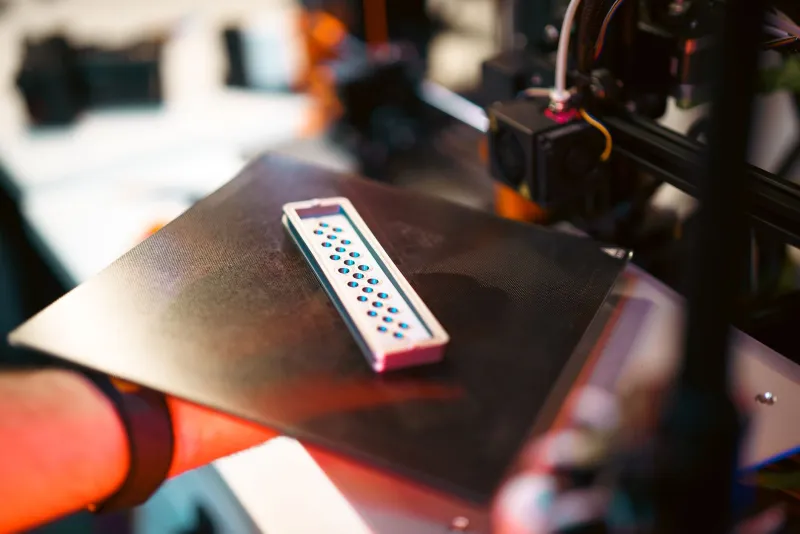
Makers use 3D printing, resin casting, laser cutting, and a lot of trial and error. They scavenge reference images. They compare frame grabs. They argue about whether a scratch was intentional or just a smudge on the lens. The best replicas have the same quality as a good cover song: they don’t just reproduce the original, they understand why it worked.
There’s also a strange joy in owning a physical object that represents a digital memory. Most of us watch movies on laptops and phones. A prop replica makes the movie tangible again. It turns a scene into a thing you can hold. That’s not nothing. That’s basically the whole point of collecting anything.
The Lawyers in the Room
Then there’s the legal gray area, which is less fun but impossible to ignore. Movie props can be protected by copyright in some cases and not in others. Trademarks complicate things. Screen-used props have their own market. Replicas occupy a murky space where fan art, craftsmanship, and intellectual property all bump into each other.
Most makers stay small and quiet. They sell to fans, not mass retailers. They label things as replicas. They don’t claim to be official. Some studios tolerate it. Some don’t. The result is a community that operates with a kind of low-grade awareness that the fun could end at any time. That tension is part of the culture, whether people admit it or not.
Why Own It?
The obvious question is why anyone would spend thousands of dollars on a replica of a prop from a movie that most people would describe as bad. The answer is not that complicated. People collect what means something to them. A prop from a forgotten film is a souvenir of a private experience. It says, I was there. I noticed. I cared.
In 2026, when so much culture is optimized to be broadly appealing, there’s real value in being narrowly obsessed. A replica of a cursed VHS tape is not for everyone. Neither is a pizza box from a notorious comedy. That’s the point. The display case is not a museum of good taste. It’s a museum of specific taste.
And honestly, that’s more interesting than another shelf of identical collectibles. The prop replica underground is not trying to redeem bad movies. It’s not trying to make them respectable. It’s just making them real. In a world of infinite streaming, there’s something almost noble about wanting to hold a piece of cinematic trash in your hands and say, yeah, I love this stupid thing.