Proof You Were There: The Strange Afterlife of the Concert Receipt
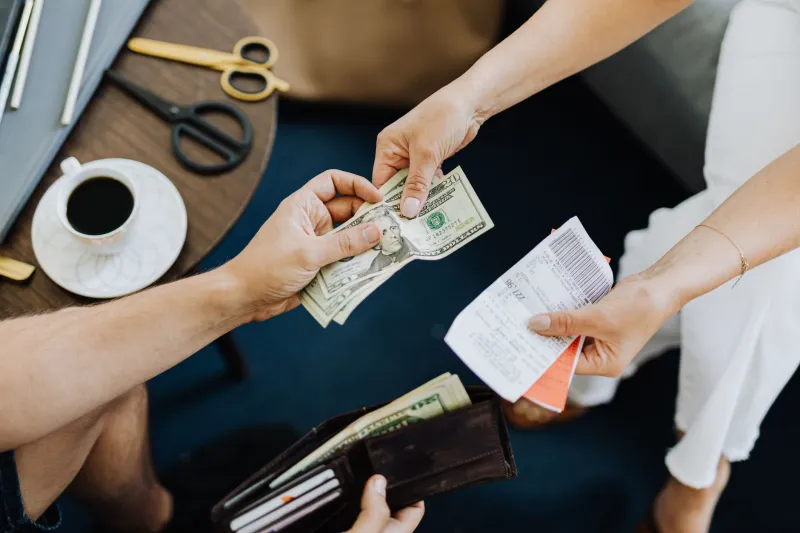
The merch table is where a concert ends for most people. You stand in line, you weigh the tour tee against the poster tube, you remember that $60 could also be groceries, and you walk out with a tote bag you will use exactly twice. It is a fine ritual. It is also a little corporate. The shirt was designed months ago by a team that knew you would want a souvenir. It is a souvenir the way a hotel keycard is a souvenir: official, branded, and weirdly impersonal.
A smaller crew of concertgoers in 2026 is taking a different exit. After the last song, after the house lights come up and the crowd spills onto the sidewalk, they do not go straight to the car. They go to the bodega. They go to the diner. They go to the 24-hour taqueria with the flickering sign and the guy mopping near the door. And they ask for a printed receipt.
Not as a joke. Not as a bit. As the souvenir.
The Anti-Souvenir
The receipt is a strange little document. It has a timestamp, an address, a list of things you bought because you were hungry and tired and not ready to go home. A 12:47 a.m. receipt for a bottle of water, a bag of chips, and a questionable egg sandwich is not cool in any traditional sense. It is not designed. It is not limited edition. It does not have a tour date printed on the front in a font chosen by a graphic designer in Los Angeles.
That is exactly the point.
A tour tee proves you had $60 and a place in line. A receipt proves you were in a specific neighborhood at a specific hour after a specific show. It is accidental evidence. It is the paper trail of a good night. In a culture where every concert is documented on a phone and every phone photo looks the same, a receipt feels almost embarrassingly honest. Nobody staged it. Nobody filtered it. It just happened because you needed a snack and the register was working.
The scene around this is small, but it is real. You will find it in the corners of Reddit threads and Discord servers, in the back rows of card shows where someone has a binder of paper slips instead of Pokémon, in the quiet trading circles that meet after indie shows in Chicago and Austin and Philadelphia. The language is casual. People call it receipt keeping, receipt runs, or just 'the paper thing.' There is no official name because nobody is trying to sell you anything.
How a Receipt Becomes a Keepsake
The process is simple. After the show, you find the nearest place that still prints receipts. You buy something small. You ask for the receipt. You keep it flat. You do not crumple it into your pocket next to a melted piece of gum. If you are serious, you put it in a paperback book or a rigid envelope until you get home. Then you label the back with the show, the date, and the venue. Some people laminate. Some people use archival sleeves. Some people just toss it in a shoebox and let it fade, which is its own kind of philosophy.
Trading is where it gets interesting. Collectors compare timestamps the way sports fans compare box scores. A receipt from a diner two blocks from the venue at 1:12 a.m. is considered a stronger artifact than a receipt from a chain drugstore at 11:30 p.m. The closer to the show and the later the hour, the better the story. 'I will trade you a 1:12 a.m. diner slip for your 12:47 a.m. waffle house receipt' is a sentence that now exists in the world. It sounds absurd. It also sounds like people having fun without spending $200 on a hoodie.
Getting one signed is the scene's quiet flex. Artists at stage doors are used to signing vinyl, posters, ticket stubs, and the occasional forearm. A receipt is newer. It is also a little funny. The artist looks at the slip, sees a charge for a Diet Coke and a pack of peanut butter crackers, and laughs. That laugh is the whole transaction. It is not an investment. It is a memory with a punchline.
The Rules Are Mostly Vibes
There is no grading service for concert receipts. There is no pop report. There is no one telling you that a 9.5 is better than an 8. The scene runs on vibes and a few unwritten rules. The receipt should be boring. A fancy restaurant receipt with a $90 steak misses the point. A bodega receipt for a Gatorade and a roll of mints is perfect. The receipt should be local. A chain store receipt from three blocks away is fine. A receipt from a gas station forty minutes outside town is not. The receipt should be real. Thermal paper is easy to fake, but nobody is faking receipts for a scene that does not have a market. The value is in the story, not the paper.
There is also a growing appreciation for impermanence. Thermal receipts fade. Heat, sunlight, and time turn them into blank strips of paper. Archivists will tell you that lamination can sometimes trap moisture or accelerate fading, depending on the paper. The scene mostly shrugs. A receipt that lasts five years is a receipt that lasted five years. The point was never permanence. The point was proof.
Why This Works in 2026
Merch fatigue is real. Tour shirts cost more than ever. Ticket prices are a monthly budget line. Resale markets have turned posters and vinyl into assets. Everything official feels like it has an aftermarket. The receipt is the opposite. It cannot be resold for profit. It cannot be botted. It cannot be dropped by a brand. It is the least scalable souvenir imaginable. You have to be there, at that hour, in that place, with enough hunger to buy something.
There is also something post-pandemic in it. We spent years being told that gathering was fragile. Now we want proof that we showed up. Not a digital badge. Not a check-in. A physical slip that says you were a person in a room at a time when a lot of people were staying home. The receipt is mundane, but mundane is what real life looks like after the lights come up.
The Limits of Paper
The receipt is not better than the shirt. It is different. The shirt keeps you warm. The receipt asks nothing of you. It sits in a shoebox or a binder or the glove compartment of a car that smells like fries. It does not match your outfit. It does not tell anyone you have good taste. It just tells the truth: you were there, and then you were hungry, and then the night kept going.
In 2026, that is enough. A $6 receipt from 1:03 a.m. is not a flex. It is not an investment. It is a small, slightly greasy, deeply sincere piece of paper that says the show mattered enough for you to stay out a little longer. The merch table can keep the $60 tee. The receipt is for the people who walked out into the cold and wanted one more hour.